№ 011 · Case study
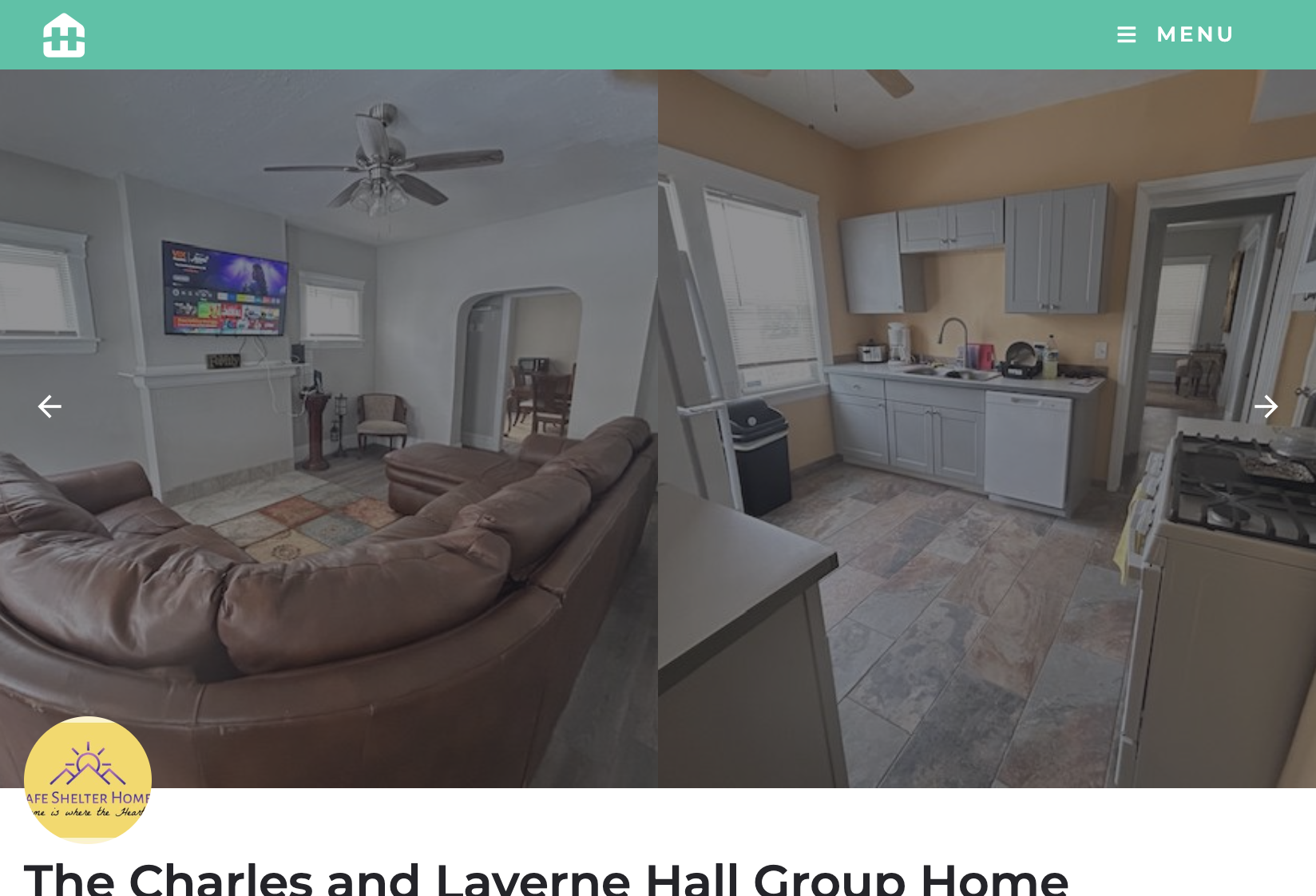
Case managers, operators, and families needed one place for discovery, verification, and handoff. We shipped iOS and web with listing depth, maps, and tooling operators could adopt without retyping their census.
15 minutes. No pitch.
✦ Verified operator mix
✦ iOS and web
✦ Care Compass
✦ Ohio launch market
Placements were phone trees, spreadsheets, and word of mouth. Managers burned hours chasing beds; operators could not surface capacity honestly; families could not see quality signals early.
The product had to respect HIPAA-shaped caution without turning every screen into a bottleneck.
Launch geography was intentional: government-approved homes in Cleveland first, then expansion once listings were trustworthy.
We ran structured interviews with managers, operators, and families so search fields reflected real placement questions, not a generic directory schema.
iOS for professionals in the field, web for operators maintaining beds and documents, shared identity and policy so each role saw only what they should.
Guided prompts and guardrails so managers could shortlist homes without over-promising clinical outcomes the software cannot verify.
Cleveland-first listings with government alignment, then repeatable onboarding for new metros once verification rituals held.
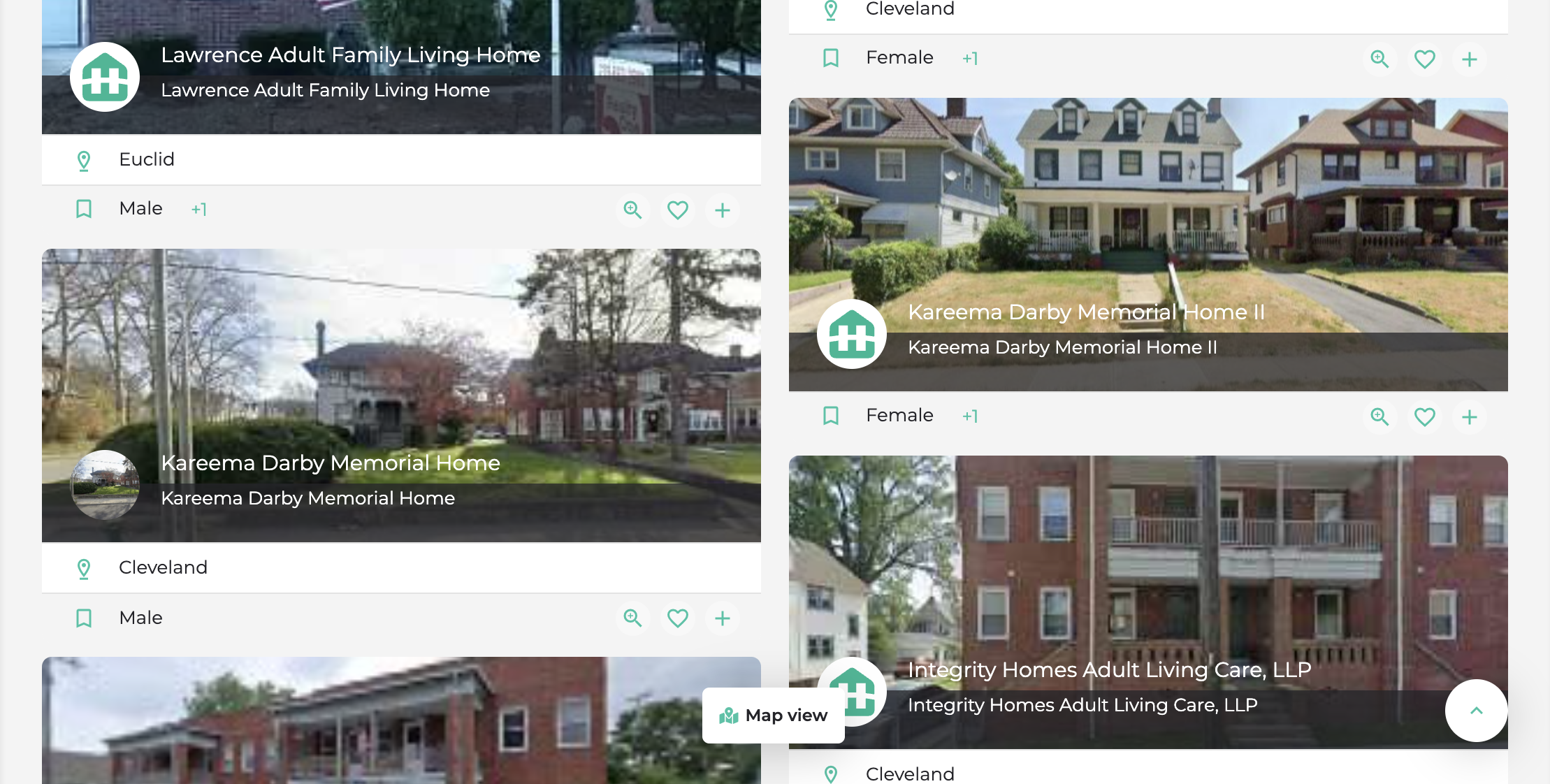
Search tuned to Ohio launch constraints, availability cues, and professional workflows so managers could compare homes without leaving the app.
Matching and education surfaced in-line so families and professionals could align on fit before the first call.
Profiles and light networking so specialists, operators, and agencies could coordinate without dumping PHI into consumer chat apps.
Structured services, peer signals where appropriate, maps, and pricing transparency operators could maintain.
Managers described cutting manual home hunts sharply once listings were searchable with the fields they already tracked on paper.
Reviews and structured feedback gave incoming families language for quality without exposing identifiable clinical detail in the wrong places.
Operators, professionals, and families could meet on one rails-shaped product instead of parallel texts and PDFs.
Instead of spending countless hours looking for homes for my clients, I could surface options in one session.
We came in because placements were stuck on phone tag. The product matched what we were already trying to document.
A rare directory that reads like it was built beside social workers, not only marketers.
Next case
Buildove →